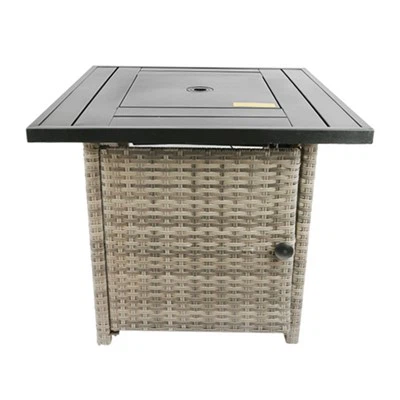
Hey there! As a supplier of outdoor kitchen cabinets, I often get asked about the ventilation requirements for these cabinets. It's a crucial topic because proper ventilation can significantly impact the lifespan and functionality of your outdoor kitchen setup. So, let's dive right in and explore what you need to know.
Why Ventilation Matters for Outdoor Kitchen Cabinets
First off, you might be wondering why ventilation is such a big deal for outdoor kitchen cabinets. Well, think about it. When you're cooking outdoors, you're dealing with a lot of heat, steam, and grease. Without proper ventilation, these elements can build up inside the cabinets, leading to a whole host of problems.
Heat can cause the materials in the cabinets to warp or crack over time. Steam can create a moist environment, which is a breeding ground for mold and mildew. And grease can stick to the surfaces, making them difficult to clean and potentially attracting pests. So, having good ventilation helps to prevent these issues and keeps your outdoor kitchen cabinets in top shape.
Types of Ventilation for Outdoor Kitchen Cabinets
There are a few different ways to ensure proper ventilation for your outdoor kitchen cabinets. Let's take a look at some of the most common methods.
Natural Ventilation
Natural ventilation is the simplest and most cost - effective way to ventilate your outdoor kitchen cabinets. It relies on the natural movement of air to carry away heat, steam, and odors. You can achieve natural ventilation by leaving gaps between the cabinets and the ground or by installing vents on the sides or back of the cabinets.
For example, if you have Aluminum Outdoor Kitchen Cabinets, you can drill small holes in the sides of the cabinets to allow air to circulate. This will help to keep the interior of the cabinets dry and cool.
Mechanical Ventilation
Mechanical ventilation involves using fans or blowers to move air in and out of the cabinets. This is a more effective option, especially if you do a lot of heavy cooking outdoors. There are different types of mechanical ventilation systems available, such as exhaust fans and range hoods.
An exhaust fan can be installed in the cabinet to suck out the hot air, steam, and grease. Range hoods, on the other hand, are typically installed above the cooking surface and can capture a larger amount of the cooking by - products. If you're looking for a complete outdoor kitchen setup, you might consider a 4 - Piece Outdoor Kitchen Package that includes a range hood for proper ventilation.
Ventilation Requirements Based on Cabinet Materials
The ventilation requirements can also vary depending on the materials used to make the outdoor kitchen cabinets. Let's take a look at some common materials and their ventilation needs.
Wood Cabinets
Wood is a popular choice for outdoor kitchen cabinets because of its natural beauty. However, wood is also more susceptible to damage from moisture and heat. To prevent warping, cracking, and mold growth, wood cabinets need good ventilation. You should ensure that there is enough air circulation around the cabinets, especially if you live in a humid climate.
Adding vents to the sides and back of the wood cabinets can help to keep the interior dry. You might also want to consider using a water - resistant finish on the wood to further protect it from moisture.
Metal Cabinets
Metal cabinets, like the Aluminum Outdoor Kitchen Cabinets, are more durable and resistant to moisture compared to wood. However, they can still get hot during cooking, and proper ventilation is necessary to prevent overheating.
Installing vents or using a mechanical ventilation system can help to dissipate the heat and keep the metal cabinets in good condition. Metal cabinets also tend to conduct heat more easily, so it's important to have a way to remove the hot air from inside the cabinets.
Plastic Cabinets
Plastic cabinets are lightweight and easy to clean. They are also resistant to moisture and heat to a certain extent. However, they can still benefit from ventilation, especially if you use them for storing items that can be affected by heat or humidity.
You can use natural ventilation methods, such as leaving gaps between the cabinets and the ground or installing small vents, to keep the air flowing inside the plastic cabinets.
Factors to Consider When Designing Ventilation for Outdoor Kitchen Cabinets
When you're designing the ventilation system for your outdoor kitchen cabinets, there are a few factors you need to consider.
Cooking Frequency
If you cook outdoors frequently, you'll need a more powerful ventilation system. Heavy cooking generates more heat, steam, and grease, so you'll need to remove these elements more efficiently. A mechanical ventilation system, such as a range hood or an exhaust fan, might be a better option in this case.


Cabinet Location
The location of the cabinets also plays a role in ventilation. If the cabinets are located in a shaded area, they may not get as hot as those in direct sunlight. However, if they are near the cooking surface, they will be exposed to more heat and steam. You'll need to adjust the ventilation accordingly.
Climate
The climate in your area is another important factor. In a humid climate, you'll need to pay extra attention to preventing mold and mildew growth. Good ventilation is essential to keep the cabinets dry. In a hot climate, you'll need to focus on dissipating heat to prevent damage to the cabinets.
Ventilation and Outdoor Kitchen Sinks
If you have an Outdoor Kitchen Sink With Cabinet, ventilation is also crucial. When you use the sink, water splashes and steam can get inside the cabinet. Without proper ventilation, this can lead to moisture buildup and damage to the cabinet.
You can install vents near the sink area to allow the air to circulate and remove the moisture. You might also want to consider using a waterproof liner inside the cabinet to protect it from water damage.
Conclusion
Proper ventilation is essential for the longevity and functionality of your outdoor kitchen cabinets. Whether you choose natural or mechanical ventilation, it's important to ensure that there is enough air circulation to keep the cabinets dry, cool, and free from damage.
As a supplier of outdoor kitchen cabinets, I'm here to help you make the right choices for your outdoor kitchen. If you have any questions about ventilation requirements or need advice on choosing the right cabinets for your needs, don't hesitate to reach out. We can discuss your specific situation and find the best solutions for your outdoor kitchen project.
Let's work together to create an outdoor kitchen that is not only beautiful but also functional and long - lasting. Contact us today to start the conversation about your outdoor kitchen cabinet needs.
References
- "Outdoor Kitchen Design: A Comprehensive Guide", Smith, John. 2020.
- "Ventilation in Outdoor Spaces", Green, Emily. 2019.