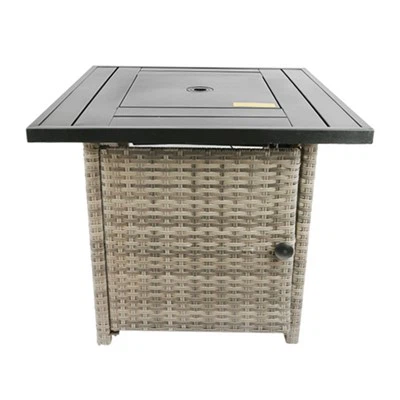
Hey there! I'm a supplier of outdoor square fire pits, and I know how important it is to set up a proper ventilation system for these awesome fire pits. Whether you're using a Square Propane Fire Pit or a 28 Inch Square Gas Fire Pit, having good ventilation is crucial for safety and a great experience.
Why Ventilation is a Big Deal
First off, let's talk about why ventilation matters. When you burn fuel in a fire pit, it produces carbon monoxide (CO), a colorless and odorless gas that can be super dangerous. If there's not enough ventilation, this CO can build up and put you and your guests at risk. Plus, proper ventilation helps the fire burn more efficiently, giving you a better flame and less smoke.
Assessing Your Fire Pit and Location
Before you start setting up the ventilation system, you need to take a good look at your fire pit and the area where it'll be placed. Consider the size of the fire pit. A 28 Inch Square Gas Fire Pit will have different ventilation needs compared to a smaller one. Also, think about the location. Is it in an open area, or is it close to a building or other structures?
If your fire pit is in an open outdoor square, you're in a pretty good position. But if it's near a wall or under a patio cover, you'll need to be extra careful about ventilation. You don't want the CO to get trapped.
Types of Ventilation Systems
There are a few different types of ventilation systems you can use for your outdoor square fire pit.
Natural Ventilation
Natural ventilation is the simplest and most cost - effective option. It relies on the natural movement of air to carry away the exhaust gases. You can achieve this by making sure there's enough space around the fire pit. For example, if you have a Rattan Gas Fire Pit with Lid, place it in an area where there's a good cross - breeze.
You can also use the design of the fire pit itself to encourage natural ventilation. Some fire pits have built - in vents at the bottom or sides. These vents allow fresh air to enter the fire pit and help push the exhaust gases out.
Mechanical Ventilation
If natural ventilation isn't enough, you might need to consider mechanical ventilation. This could involve using fans or blowers to move the air. You can install an exhaust fan near the fire pit to pull the exhaust gases away. Make sure the fan is rated for outdoor use and is properly installed.
Another option is a ducted ventilation system. This is more complex and usually requires professional installation. A ducted system can be used to direct the exhaust gases to a safe location, away from people and buildings.
Installation Steps
If you're going for natural ventilation, here are the steps you can follow:


- Choose the Right Location: As I mentioned earlier, pick a spot with good air circulation. Avoid placing the fire pit in a corner or against a wall where air can't flow freely.
- Check the Fire Pit Design: Make sure the fire pit has proper vents. If it doesn't, you might need to make some modifications. You can drill small holes in the bottom or sides of the fire pit to allow air to enter.
- Clear the Surroundings: Remove any obstacles around the fire pit that could block the airflow. This includes furniture, plants, or other objects.
If you're installing a mechanical ventilation system:
- Plan the System: Decide where you'll place the fan or blower and how the ductwork will be routed. Make sure the system is designed to handle the amount of exhaust produced by your fire pit.
- Install the Equipment: Follow the manufacturer's instructions for installing the fan or blower. Make sure it's securely mounted and wired correctly.
- Test the System: Once the installation is complete, test the ventilation system to make sure it's working properly. Check for any leaks or blockages in the ductwork.
Maintenance and Safety Tips
Once your ventilation system is set up, it's important to maintain it regularly.
- Clean the Vents: Over time, the vents in your fire pit or ventilation system can get clogged with debris. Clean them regularly to ensure proper airflow.
- Inspect the Equipment: Check the fan or blower for any signs of wear and tear. Replace any damaged parts as needed.
- Follow Safety Guidelines: Always follow the safety guidelines provided by the fire pit manufacturer. This includes keeping flammable materials away from the fire pit and never leaving the fire unattended.
Wrapping Up and Invitation to Contact
Setting up a ventilation system for your outdoor square fire pit is essential for a safe and enjoyable experience. Whether you choose natural or mechanical ventilation, make sure you do it right.
If you're in the market for a high - quality outdoor square fire pit, we've got you covered. We offer a wide range of fire pits, including the Square Propane Fire Pit, 28 Inch Square Gas Fire Pit, and Rattan Gas Fire Pit with Lid. If you have any questions about our products or need help setting up a ventilation system, feel free to reach out. We're here to assist you every step of the way.
References
- Fire safety guidelines from the National Fire Protection Association
- Manufacturer's instructions for outdoor fire pits and ventilation equipment