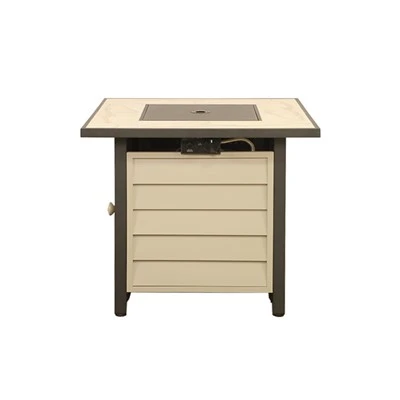
When planning your ideal outdoor living space, one of the most practical questions is: "Is it cheaper to burn wood or propane?" The answer isn't as simple as looking at the price tag of a firewood bundle versus a propane tank refill. Several factors come into play-including fuel efficiency, heat output, availability, and how you actually use your fire feature.
📊 The Short Answer: It Depends on Your Situation
| Fuel Type | Average Cost per Hour* | Pros | Cons |
|---|---|---|---|
| Wood | $0.50 – $2.50 | Low cost if you have free access; traditional ambiance | Requires storage; produces smoke and ash; needs constant tending |
| Propane | $1.50 – $3.50 | Clean burning; instant on/off; precise control | Fuel cost varies by region; tank refills required |
*Based on typical residential usage patterns and average US fuel prices. Actual costs vary by location and season.
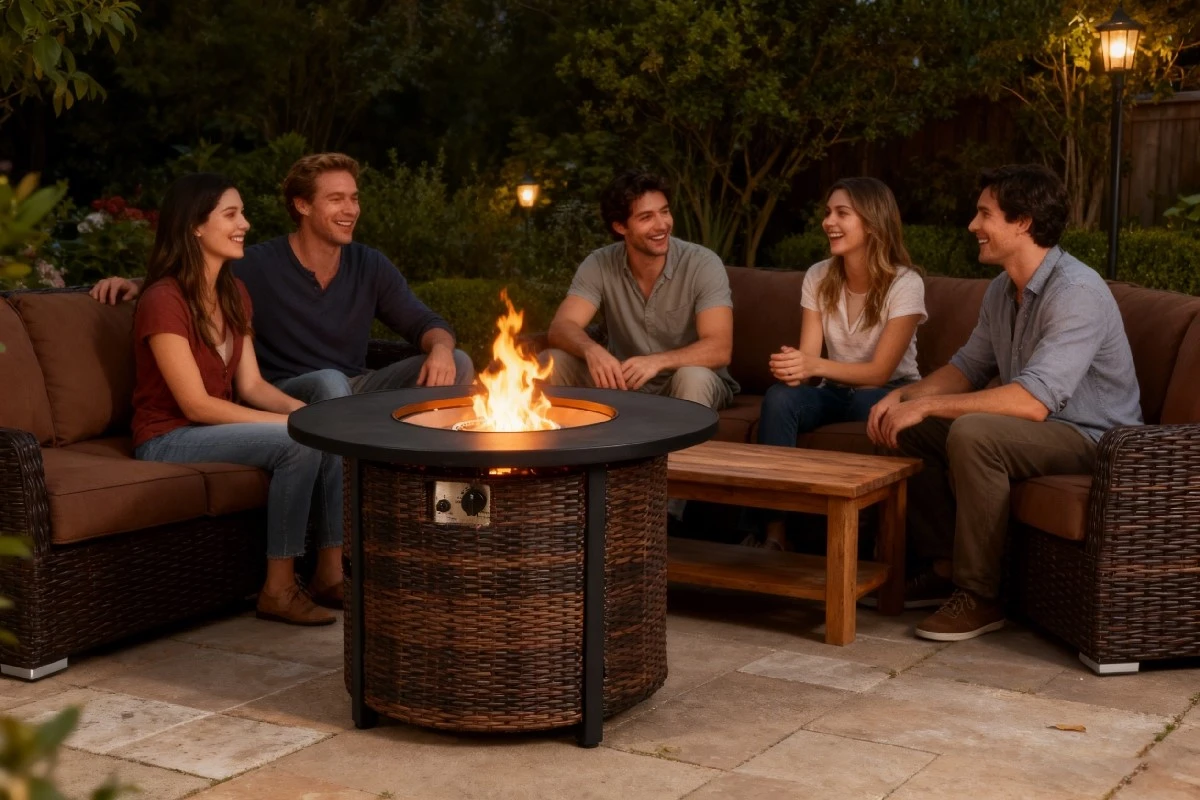
🔥 Breaking Down the True Cost of Wood
At first glance, wood often appears cheaper-especially if you have trees on your property or access to free firewood. However, the complete cost picture includes:
1. Purchase Price
1)Seasoned hardwood (retail): $300–$500 per cord (a cord is 128 cubic feet)
2)A cord typically provides 80–100 hours of burn time in an open fire pit
3)Cost per hour: $3.00–$6.25 at retail prices
2. Hidden Costs
1)Storage space: You need a dry, covered area to season and store wood
2)Transportation: Hauling wood requires a vehicle and physical labor
3)Tools: Axes, splitters, and carriers add to the investment
4)Cleaning supplies: Ash removal tools and disposal
5)Maintenance: Wood-burning units require more frequent cleaning and eventual part replacement
3. Efficiency Factor
Open wood fires lose much of their heat to the surrounding air. A significant portion of the energy simply rises upward without warming your immediate seating area.
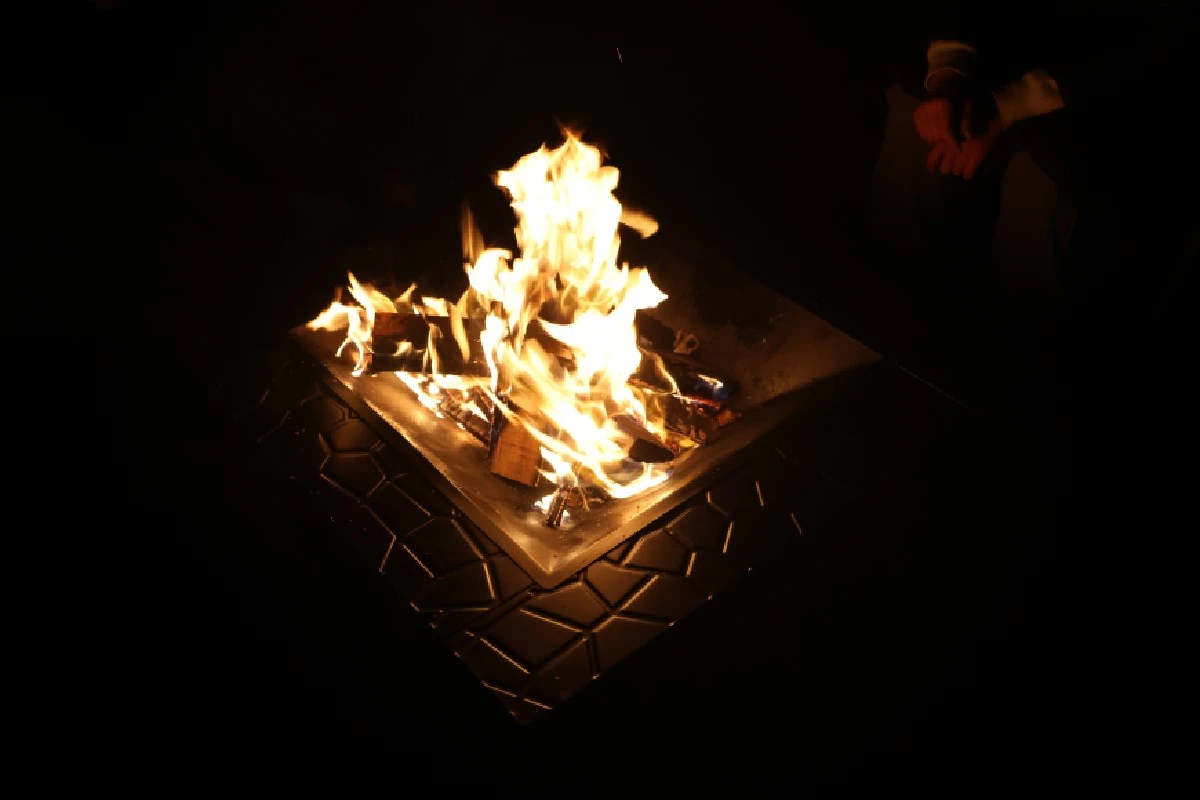
🔵 Breaking Down the True Cost of Propane
Propane offers convenience, but it comes with its own cost structure. For owners of a sleek outdoor round coffee table with gas, understanding fuel economics helps maximize value.
1. Purchase Price
1)20 lb tank refill: $15–$25 (varies by region and season)
2)A 20 lb tank provides 8–12 hours of burn time at medium flame
3)Cost per hour: $1.25–$3.00
2. Efficiency Advantages
1)100% usable: Every BTU of propane converts to heat with no waste
2)Directed warmth: Gas fire pits are designed to radiate heat outward efficiently
3)Precise control: Adjust flame height to match exactly the warmth you need
3. Convenience Savings
1)No storage costs: Propane tanks take minimal space
2)No cleanup: No ash, no soot, no smoke damage to clothing or furniture
3)Instant operation: Turn on and off instantly-no waiting for fire to start or die down
4)Longer equipment life: Cleaner burn means less wear on components
🧮 The Real Math: Which Is Cheaper for You?
Scenario A: The Casual User (Weekend Gatherings)
1)If you use your fire pit 2–3 times per month during cooler seasons:
2)Wood: You'll need to buy and store a cord or two annually. Cost: $300–$1,000/year
3)Propane: 2–3 tanks per season. Cost: $100–$300/year
4)Winner: Propane, by a significant margin for low-to-moderate usage.
Scenario B: The Enthusiast (Daily Use)
If you burn every evening throughout fall and winter:
1)Wood: You'll go through multiple cords. Cost: $1,000–$2,500+/year
2)Propane: Bulk tank delivery or frequent refills. Cost: $800–$2,000+/year
3)Winner: Potentially wood, if you have access to cheap or free firewood. Otherwise, comparable.
Scenario C: The Aesthetic Seeker (Ambiance over Heat)
If you want the look of fire without needing maximum heat:
1)Wood: You still need a full fire to get flames-wasteful if you don't need warmth
2)Propane: Turn the flame low and enjoy the ambiance with minimal fuel consumption
3)Winner: Propane, hands down. Adjustable flame means you pay only for what you use.
🌟 Beyond Cost: The Lifestyle Factor
For many customers, the decision isn't purely economic. That's why we offer both gas and wood-burning options. A beautifully designed outdoor round coffee table with gas provides:
1) Instant entertainment: No waiting 45 minutes for the fire to be ready
2) Clean socializing: Guests don't go home smelling like smoke
3) Year-round usability: Use it even on mild evenings without overheating
4) Design flexibility: Sleek, modern aesthetics without wood storage nearby
🏭 Engineered for Value: The YIMO Difference
At Zhejiang Yimo Technology, we believe in giving customers choices without compromising quality. Founded in 2021 in Lishui, Zhejiang, our 14,000㎡ facility combines automated precision with rigorous quality control. Whether you choose a wood-burning unit for traditional ambiance or a gas model for modern convenience, every YIMO product is engineered for efficiency and durability.
Our gas fire pits feature:
1) High-efficiency burners that maximize heat from every BTU
2) CE and CSA certified components for safety and performance
3) Durable construction that outlasts seasonal use
4) Integrated tank compartments in select models for seamless aesthetics

✅ Final Verdict
Is it cheaper to burn wood or propane?
1) For most homeowners with moderate usage: Propane is more cost-effective when you factor in convenience, efficiency, and zero waste
2) For heavy daily users with access to free wood: Wood can be significantly cheaper
3) For ambiance-focused users: Propane wins every time with adjustable flame and instant operation
The right choice depends on your lifestyle, location, and how you envision using your outdoor space. Whatever you decide, choosing a quality fire pit ensures your investment delivers warmth and enjoyment for years to come.
Ready to find your perfect outdoor heating solution? Explore the YIMO collection of certified gas and wood-burning fire pits today-designed for real life, built to last.